
Follow Me On Social Media!
Butter Cauliflower Recipe


If you’ve ever had butter chicken and thought “this is amazing, but what if it were accidentally vegetarian?”—congrats, you’ve just discovered butter cauliflower. This dish takes all the creamy, rich, slightly sweet goodness of the Indian classic and swaps the chicken for cauliflower florets that soak up that luscious sauce like little flavor sponges. It’s the kind of meal that makes you forget you’re eating vegetables, which is honestly the highest compliment I can give any veggie dish. Plus, it’s way easier to make at home than you’d think, and your kitchen will smell absolutely incredible while it cooks.
Table of Contents
Why This Butter Cauliflower Recipe is Awesome
First things first: this tastes like restaurant food. You know that feeling when you order takeout and wonder how they made it taste so good? Yeah, you can do that at home. The sauce is velvety, rich, and has that perfect balance of tangy tomato and warm spices that makes Indian food so crave-worthy.
Second, it’s surprisingly simple for how impressive it looks and tastes. Most of the work is just roasting cauliflower and simmering a sauce. No complicated techniques, no ingredients you need a culinary degree to pronounce (well, maybe garam masala, but that’s it).
Here’s the best part: cauliflower is the perfect vehicle for this sauce. Unlike chicken, it has all these nooks and crannies that trap the creamy goodness. Every bite is an explosion of flavor. And because you’re roasting it first, you get these crispy, caramelized edges that add amazing texture.
Oh, and it’s naturally vegetarian but feels totally indulgent. You’re basically tricking yourself into eating healthy while feeling like you’re treating yourself to something special. It’s a win-win situation, honestly.
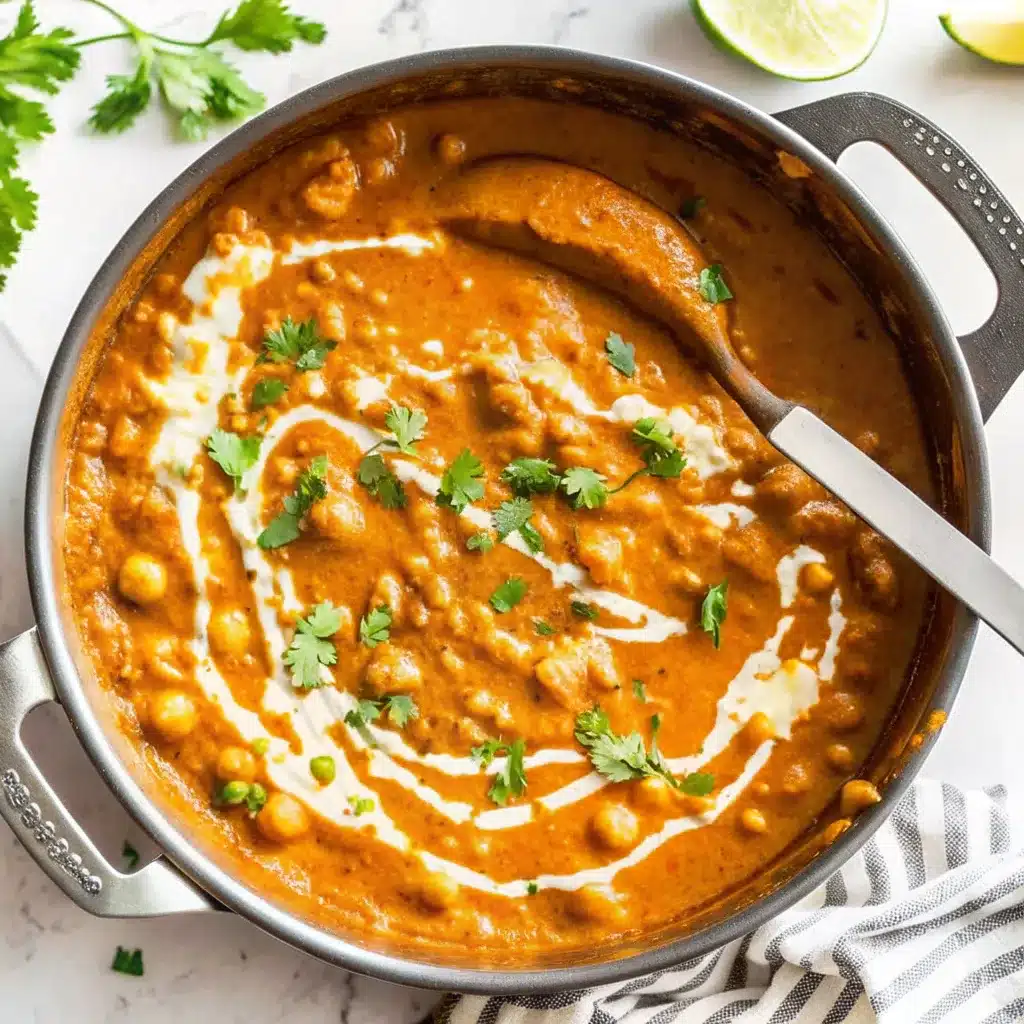
Ingredients You’ll Need
For the cauliflower:
- 1 large head of cauliflower, cut into florets (about 6 cups)
- 2 tablespoons oil (vegetable or neutral oil works great)
- ½ teaspoon salt
- ¼ teaspoon black pepper
For the butter sauce:
- 3 tablespoons butter (or ghee if you’re feeling authentic)
- 1 medium onion, finely diced
- 4 cloves garlic, minced (because garlic makes everything better)
- 1 tablespoon fresh ginger, grated
- 2 teaspoons garam masala (the MVP spice blend)
- 1 teaspoon ground cumin
- 1 teaspoon ground coriander
- ½ teaspoon turmeric
- ½ teaspoon paprika (for color and mild heat)
- ¼ teaspoon cayenne pepper (adjust based on your spice tolerance)
- 1 can (15 oz) tomato sauce
- 1 cup heavy cream (or coconut cream for dairy-free)
- 1 tablespoon tomato paste
- 1 tablespoon honey or sugar (balances the acidity)
- Salt to taste
For serving:
- Fresh cilantro, chopped
- Basmati rice or naan bread (non-negotiable, IMO)
- Extra cream for drizzling (optional but fancy)
Step-by-Step Instructions
1. Preheat your oven to 425°F (220°C). Line a baking sheet with parchment paper because nobody has time for scrubbing burnt cauliflower off a pan.
2. Toss cauliflower florets with oil, salt, and pepper. Spread them out in a single layer on your baking sheet. Don’t crowd them or they’ll steam instead of roast.
3. Roast for 25-30 minutes until golden brown and tender. Flip them halfway through for even cooking. You want some nice caramelization happening here—that’s where the flavor lives.
4. While the cauliflower roasts, make the sauce. Melt butter in a large skillet or pot over medium heat. Add the diced onion and sauté for 5-6 minutes until soft and translucent.
5. Add garlic and ginger, cook for another minute until fragrant. Your kitchen should be smelling pretty amazing right about now.
6. Stir in all your spices—garam masala, cumin, coriander, turmeric, paprika, and cayenne. Toast them for about 30 seconds. This step is crucial for developing deep flavor, so don’t skip it.
7. Add tomato sauce, tomato paste, and honey. Stir everything together and let it simmer for 10 minutes. The sauce will thicken slightly and the flavors will meld together beautifully.
8. Reduce heat to low and stir in the heavy cream. Let it simmer gently for another 5 minutes. Taste and adjust salt as needed. The sauce should be creamy, slightly sweet, and perfectly spiced.
9. Add your roasted cauliflower to the sauce and toss gently to coat. Let everything hang out together for a few minutes so the cauliflower can absorb some of that delicious sauce.
10. Garnish with fresh cilantro and serve over rice or with warm naan. Drizzle with extra cream if you’re feeling fancy.

Common Mistakes to Avoid
Not roasting the cauliflower first. Some people just throw raw cauliflower into the sauce and call it a day. Don’t be that person. Roasting adds crucial flavor and texture that you just can’t get any other way.
Skipping the spice-toasting step. When you add spices to hot oil or butter and let them bloom for 30 seconds, it wakes up their flavor compounds. Skipping this means your sauce will taste flat and one-dimensional.
Using low-fat cream or milk. Look, I’m all for healthier swaps when they work, but this isn’t one of those times. The richness of heavy cream is what makes this dish special. If you need dairy-free, use full-fat coconut cream instead.
Adding the cream while the heat is too high. This can cause the cream to separate and get grainy. Always reduce to low heat before adding cream, and stir gently.
Not tasting and adjusting. This sauce needs balance—sweet, spicy, tangy, rich. Taste it before serving and adjust with more salt, honey, or spices as needed.
Alternatives & Substitutions
Don’t have cauliflower? This sauce is amazing with chickpeas, paneer, tofu, or even sweet potatoes. Just adjust cooking times accordingly.
For a lighter version, you can use half-and-half instead of heavy cream, though it won’t be quite as luxurious. Greek yogurt stirred in at the end (off heat) also works but changes the flavor profile slightly.
Can’t find garam masala? Make your own by mixing cumin, coriander, cardamom, black pepper, cinnamon, and cloves. Or honestly, just use extra cumin and coriander—it won’t be exactly the same but still delicious.
Vegan version? Use vegan butter (or oil) and coconut cream instead of dairy. It’s actually really good this way—the coconut adds a subtle sweetness that works perfectly.
If you like things spicier, add more cayenne or throw in some chopped green chilies with the ginger and garlic. If you’re spice-averse, skip the cayenne altogether.

Final Thoughts
There you have it—butter cauliflower that rivals anything you’d order from your favorite Indian restaurant, made in your own kitchen without breaking a sweat. It’s cozy, it’s flavorful, and it’s proof that vegetarian food can be just as indulgent and satisfying as anything else.
Make this for dinner this week and watch everyone at the table go quiet because they’re too busy enjoying it to talk. Serve it with fluffy basmati rice, warm naan for scooping, and maybe a cold beer or mango lassi on the side. You’ve earned it.
Now go forth and make your kitchen smell like the best Indian restaurant in town. You got this.
FAQ (Frequently Asked Questions)
Can I make this ahead of time? Definitely! The sauce actually tastes better the next day after the flavors have had time to get to know each other. Make everything up to adding the cauliflower, then store separately in the fridge for up to 3 days. When ready to serve, reheat the sauce, add the cauliflower, and warm everything through.
My sauce is too thick/too thin, help! Too thick? Add a splash of water or cream and stir until you reach your desired consistency. Too thin? Let it simmer uncovered for a few more minutes, or add an extra tablespoon of tomato paste. The beauty of this sauce is that it’s super forgiving.
Can I use frozen cauliflower? You can, but fresh is definitely better here. Frozen cauliflower releases a lot of water and won’t get that nice caramelized exterior from roasting. If you must use frozen, thaw it completely, pat it very dry, and roast at a higher temperature (450°F) to try to get some browning.
How spicy is this dish? As written, it’s pretty mild—more flavorful than fiery. The ¼ teaspoon cayenne gives just a gentle warmth. If you like heat, double or triple the cayenne, or add fresh chilies. If you’re sensitive to spice, skip the cayenne entirely and you’ll still have an amazing dish.

Butter Cauliflower Recipe
Course: Vegetarian, Main Course, DinnerCuisine: Indian, Indian-InspiredDifficulty: EasyServings
4
servingsPrep time
15
minutesCooking time
40
minutesCalories
310
kcalTotal time
55
minutesIngredients
- For the cauliflower:
1 large head of cauliflower, cut into florets (about 6 cups)
2 tablespoons oil
½ teaspoon salt
¼ teaspoon black pepper
- For the butter sauce:
3 tablespoons butter or ghee
1 medium onion, finely diced
4 cloves garlic, minced
1 tablespoon fresh ginger, grated
2 teaspoons garam masala
1 teaspoon ground cumin
1 teaspoon ground coriander
½ teaspoon turmeric
½ teaspoon paprika
¼ teaspoon cayenne pepper
1 can (15 oz) tomato sauce
1 cup heavy cream
1 tablespoon tomato paste
1 tablespoon honey or sugar
Salt to taste
- For serving:
Fresh cilantro, chopped
Basmati rice or naan bread
Directions
- Preheat oven to 425°F (220°C). Line a baking sheet with parchment paper.
- Toss cauliflower florets with oil, salt, and pepper. Spread in a single layer on baking sheet.
- Roast for 25-30 minutes until golden brown and tender, flipping halfway through.
- While cauliflower roasts, melt butter in a large skillet over medium heat. Add onion and sauté for 5-6 minutes until soft.
- Add garlic and ginger, cook for 1 minute until fragrant.
- Stir in all spices (garam masala, cumin, coriander, turmeric, paprika, cayenne) and toast for 30 seconds.
- Add tomato sauce, tomato paste, and honey. Simmer for 10 minutes until slightly thickened.
- Reduce heat to low and stir in heavy cream. Simmer gently for 5 minutes. Taste and adjust salt.
- Add roasted cauliflower to sauce and toss to coat. Let sit for a few minutes to absorb flavors.
- Garnish with fresh cilantro and serve over basmati rice or with naan bread.
Notes
- Always roast the cauliflower first for caramelized edges and deeper flavor—don’t skip this step or the dish will taste flat.
- Toast the spices in butter for 30 seconds before adding liquids to bloom their flavors and create a more complex, restaurant-quality sauce.
- Reduce heat to low before adding cream to prevent it from separating or curdling—stir gently and the sauce will stay silky smooth.