Follow Me On Social Media!
Easy Creamy Tomato Garlic Pasta Recipe

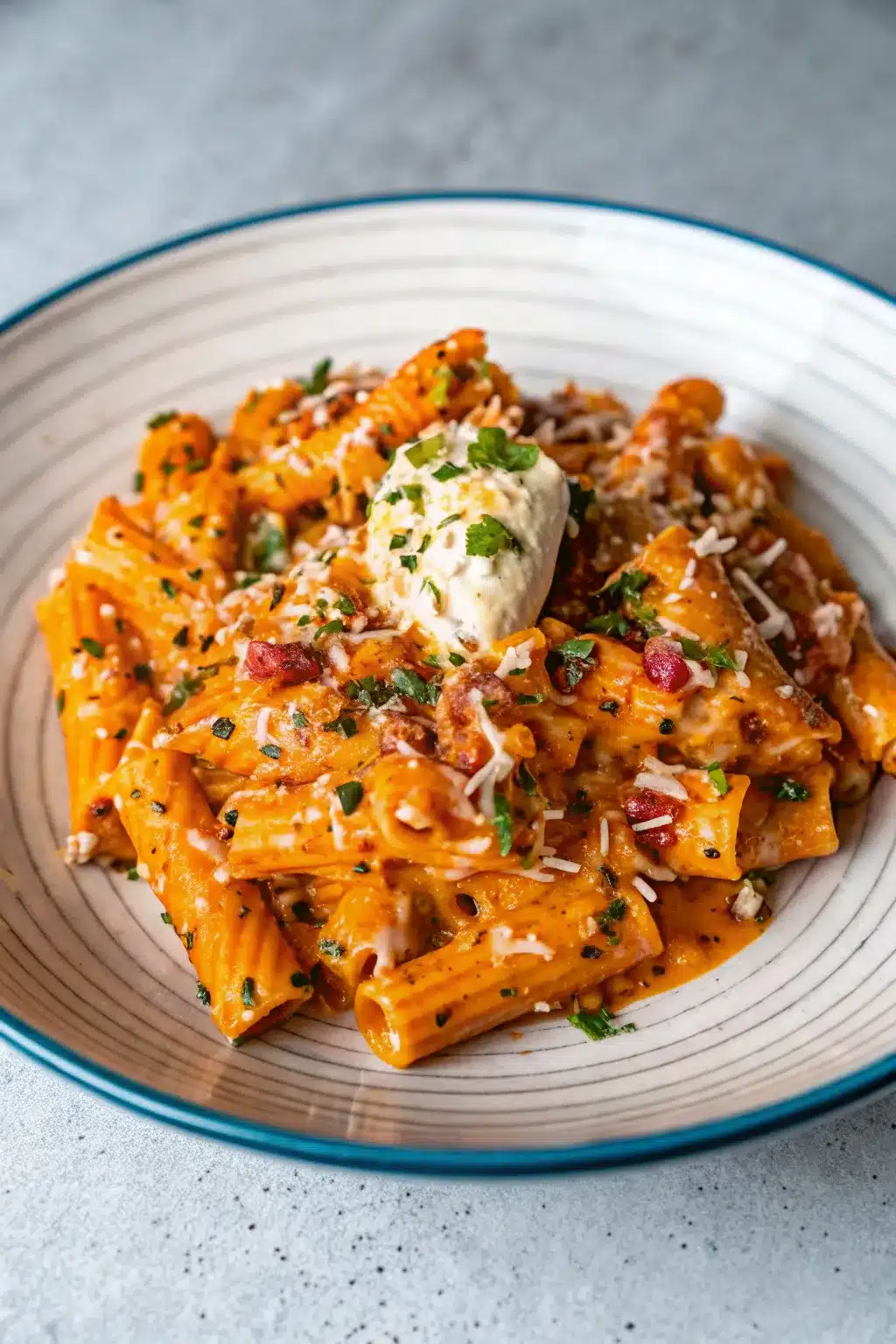
Creamy Tomato Garlic Pasta Recipe — where we use a little culinary wizardry (like searing tomato paste and coaxing garlic to sing) to take a 20-minute dinner from “meh” to “OMG — this tastes like I’m at a trattoria.”
Whether you’re weeknight cooking or entertaining last-minute guests, this Creamy Tomato Garlic Pasta delivers restaurant-style flavor without the fuss.
Table of Contents
Why This Is The Best Version of the Recipe
The Garlic: Flavor through Physics
I mince the garlic instead of slicing it because of one simple rule: surface area = flavor. More finely chopped garlic means more of those pungent, aromatic compounds get released into the oil. That quick sauté brings a warm, garlicky backbone to the sauce — no harsh or bitter notes.
The Tomato: Quality Matters
Use good-quality tomatoes. Preferably San Marzano tomatoes — their natural sweetness and thick flesh reduce the need for extra sugar and deliver a rich tomato flavor that stands up to cream. Their lower acidity keeps the sauce balanced and lets the garlic and herbs shine.
The Cream: Heavy Cream > Milk
Heavy cream (36–40% fat) gives you a stable base for a silky tomato-cream sauce. It’s much less likely to curdle compared to milk or light cream, and the high fat content binds beautifully with the tomato’s acidity — producing that luxurious, velvety texture you expect from a restaurant-style Creamy Tomato Garlic Pasta.
Recipe Ingredients
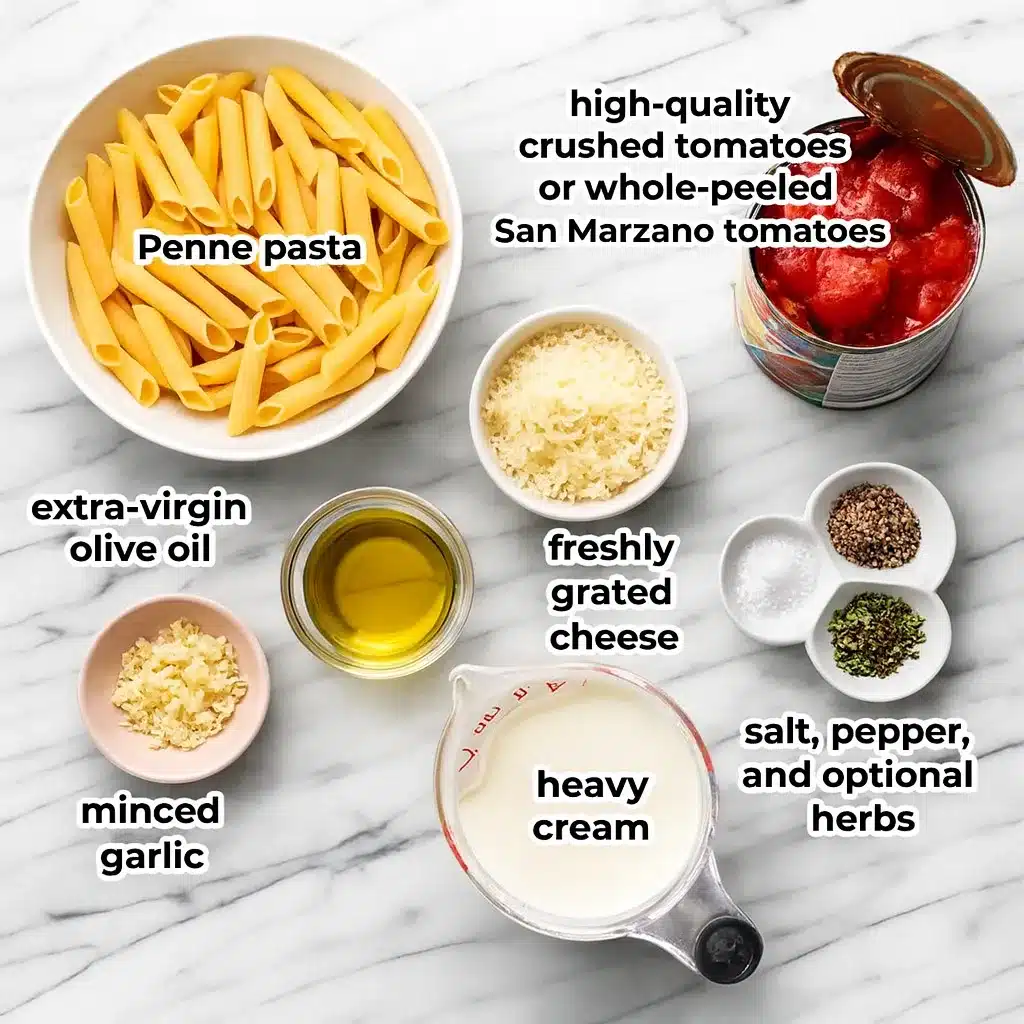
- 400 g short pasta (e.g. penne, rigatoni, fusilli)
- 2–3 tbsp extra‑virgin olive oil (or olive oil + butter)
- 4–6 cloves garlic, minced
- 1 can (~400 g) crushed tomatoes (or whole peeled tomatoes, hand‑crushed), preferably high-quality / San Marzano
- 1 cup heavy cream (room temperature)
- ½–1 cup freshly grated Parmesan cheese (optional, but recommended)
- Salt, to taste
- Freshly ground black pepper, to taste
- Optional herbs: pinch of dried oregano or dried basil; fresh basil for garnish
Optional add‑ons / variations:
- Grilled chicken strips, sautéed shrimp, or Italian sausage (for added protein)
- Gluten-free pasta (for gluten-free variation)
- Coconut milk or cashew cream (for dairy-free / vegan adaptation)
Dietary Swaps & Add-Ons
Vegan / Dairy-Free:
Instead of heavy cream, use unsweetened coconut milk or cashew cream. It won’t be exactly the same — but with a splash of pasta water, a touch of olive oil, and perhaps some nutritional yeast, you can still get a silky sauce that carries the tomato-garlic flavor.
Gluten-Free:
Use your favorite GF pasta (rice, chickpea, or lentil based). Just make sure it’s sturdy enough so it doesn’t fall apart when you toss it in the sauce. Short GF pastas often perform better.
Protein Add-ons:
Want a heartier dish? Stir in grilled chicken strips, sautéed shrimp, or Italian sausage. Each adds body and turns this Creamy Tomato Garlic Pasta into a full meal — great for leftover lunches or feeding a hungry crowd.
Step-by-Step Instructions (With “Process Shots”)
1. Cook the Pasta Water (Salty like the sea)
Fill a large pot with water and salt it generously — like seawater.
Bring to a boil, add pasta, and cook until al dente.
Before draining, scoop out 1 cup of pasta water and set aside. This starchy water is liquid gold — it helps bind the sauce to the pasta and keeps everything silky.
Troubleshooting Tip: Sauce too thick? Add a splash of pasta water. Too runny? Simmer a minute, stir — the starch will thicken the sauce naturally.
2. Aromatics — Garlic & Oil (Don’t burn the garlic!)
- Heat 2 tbsp olive oil (or oil + butter) in a heavy-bottomed pan over medium-low heat.
- Add minced garlic and gently sauté until fragrant (about 1–2 minutes). Do not brown. Burnt garlic equals bitter sauce.
- Optional: Add a small chopped onion or shallot for extra depth.
Troubleshooting Tip: If garlic seems to cook too fast — lower the heat immediately. The goal is aroma, not a scorched taste.
3. Deglazing / Building the Tomato Base (The secret step)
- Add your crushed tomatoes (or hand-crushed whole tomatoes) to the garlic oil. Stir.
- Bring to a gentle simmer and let flavors meld for 5–7 minutes.
- For extra depth — optionally stir in a tablespoon of tomato paste at the beginning, sautéing it briefly to caramelize its sugars (this builds umami and intensifies tomato flavor).
Troubleshooting Tip: If the mixture seems watery, simmer a couple minutes harder to reduce — you want concentrated tomato flavor before cream hits the pan.
4. Emulsify the Sauce — Cream & Finish
- Lower the heat to low, then slowly pour in room-temperature heavy cream while stirring gently. This gradual incorporation stabilizes the sauce.
- Stir in freshly grated Parmigiano if using. Add salt/pepper to taste, maybe a pinch of dried herbs.
- Toss in the drained pasta and a splash (or more) of reserved pasta water until sauce coats every noodle beautifully.
Troubleshooting Tip: If the sauce starts to look oily or separated — immediately add a little pasta water while stirring. The starch helps bring it back together.
5. Top Tips for a Silky Smooth Sauce (The “Value Add”)
Where many recipes give you 2–3 tips, here’s five to really up your game:
Reserve the pasta water: It’s magical — helps sauce cling, smooths texture, and binds everything together.
Use room-temperature cream: Cold cream can shock the sauce and cause splitting. Let it sit out 15-20 min before you add it.
Undercook pasta slightly: Finish cooking pasta in the sauce itself — it picks up more flavor and helps the sauce adhere better.
Freshly grated Parmesan over pre-shredded: Pre-shredded cheese often has anti-caking agents that hinder melting and can make sauce grainy or clumpy. Freshly grated melts evenly for a smooth finish.
Balance acidity with a splash of lemon: A small squeeze of fresh lemon juice at the end brightens flavors and cuts through richness — but add it just before serving to avoid curdling.
Serving Suggestions For Creamy Tomato Garlic Pasta
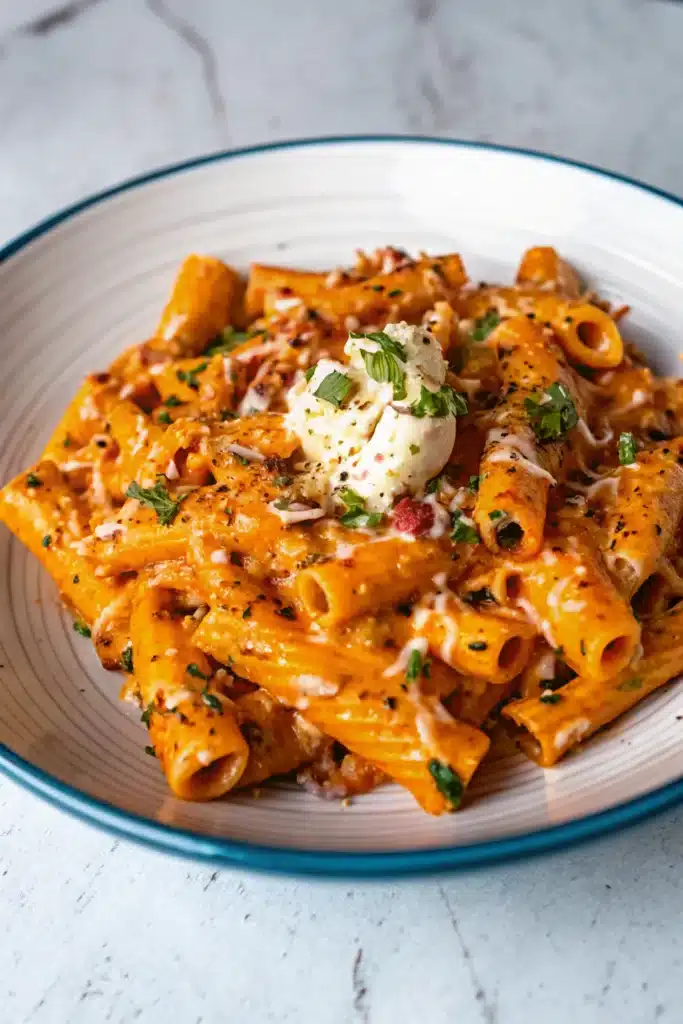
What goes great with this Creamy Tomato Garlic Pasta? Here are a few ideas to round out the meal:
- Garlic Bread — Crunchy, buttery, and perfect for sopping up every last bit of sauce.
- Caesar Salad — The crisp greens, tangy dressing, and shaved parmesan juice up the meal.
- Roasted Broccoli — Tossed with olive oil, salt, pepper, and maybe a squeeze of lemon — it adds a fresh, healthy contrast to the rich pasta.
These sides bring texture contrast, freshness, and balance — making the Creamy Tomato Garlic Pasta feel like a full, restaurant-style dinner.
Conclusion & Final Thoughts
If you’ve ever felt let down by a dull, watery pink sauce pasta — I promise, this Creamy Tomato Garlic Pasta will change your mind. With good garlic, quality tomatoes, heavy cream, and that secret little flourish of starchy pasta water — you can have restaurant-quality Creamy Tomato Garlic Pasta on the table in 20 minutes.
It’s rich, it’s comforting, and it’s got enough garlic and tomato depth that you might just believe you spent hours cooking. Give it a try — and don’t be surprised if you end up telling people there was “secret chef magic” involved. 😉
Happy cooking (and pasta slurping)!
FAQs
Why did my cream sauce curdle?
Cream sauces curdle when dairy hits high heat or acidic ingredients too fast. If you add cold cream directly to a hot tomato base, or boil after adding cream, proteins in the cream can clump and separate. To avoid that: bring cream to room temperature, add it gradually over low heat, and stir gently.
Can I freeze creamy tomato pasta?
Freezing is tricky. The dairy-fats and cream emulsion don’t always survive thawing — texture often becomes grainy or separated. If you must freeze, freeze the pasta and sauce separately (sauce without cream!), and add fresh cream when reheating.
Is this the same as a Vodka Sauce?
Not quite. Vodka sauce traditionally uses vodka (to release certain flavor compounds in tomatoes) and may include tomato paste or crushed tomatoes — but it’s a different flavor profile. This recipe focuses on a garlic-forward, creamy tomato-garlic base. It’s more about creamy comfort than the bright, slightly sharp, boozy tang you get from vodka sauce.
Creamy Tomato Garlic Pasta
Course: Main CourseCuisine: Italian / Italian‑AmericanServings
4
servingsPrep time
5
minutesCooking time
15
minutesCalories
450
kcalTotal time
20
minutesIngredients
400 g short pasta (penne, rigatoni, fusilli — works best)
2–3 tbsp extra‑virgin olive oil (or mix olive oil + butter)
4–6 cloves garlic, minced
1 can (≈ 400 g) high-quality crushed tomatoes or whole peeled tomatoes (hand‑crushed), preferably San Marzano
1 cup heavy cream (room temperature)
½–1 cup freshly grated Parmesan cheese (optional but recommended)
Salt and freshly ground black pepper, to taste
Optional herbs: a pinch of dried oregano or basil; fresh basil for finishing garnish
- Optional protein/variation add-ons:
Grilled chicken strips, sautéed shrimp, or Italian sausage (for a meat version)
Gluten-free pasta (for gluten-free variation)
Coconut milk or cashew cream (for dairy‑free/vegan adaptation)
Directions
- Cook the pasta
Fill a large pot with water, salt generously (like seawater), and bring to a boil.
Add pasta and cook until “al dente.”
Before draining, reserve ~ 1 cup of pasta cooking water. Set aside. - Sauté garlic
While pasta cooks, heat the olive oil (or oil + butter) in a heavy-bottom pan over medium-low heat.
Add minced garlic and gently sauté until fragrant (about 1–2 minutes). Don’t let it brown — burnt garlic turns bitter. - Build the tomato base
Add crushed (or hand‑crushed) tomatoes to the garlic oil. Stir, then bring to a gentle simmer.
Let simmer about 5–7 minutes to concentrate flavors. (Optional: stir in 1 tbsp tomato paste early to deepen flavor.) - Finish the sauce with cream & cheese
Lower heat to low. Slowly pour in room-temperature heavy cream while stirring gently to emulsify.
Stir in grated Parmesan (if using). Season with salt, pepper, and herbs to taste. - Combine pasta + sauce
Drain the pasta (reserving the pasta water). Add pasta to the sauce. Toss together, adding a splash or two of reserved pasta water until sauce coats every noodle and looks silky. - Serve immediately
Garnish with fresh basil and extra Parmesan if desired.
Notes
- Reserve pasta water (“liquid gold”) — The starchy water helps the sauce bind to the pasta and gives a silkier, creamier texture.
- Use room-temperature cream — Adding cold cream to hot tomato can shock the sauce and cause splitting; letting cream warm a bit prevents that.
- Undercook pasta slightly before tossing in sauce — Finishing pasta in the sauce helps it absorb flavor and lets the sauce cling better to the noodles.