Follow Me On Social Media!
Gordon Ramsay Homemade Pasta

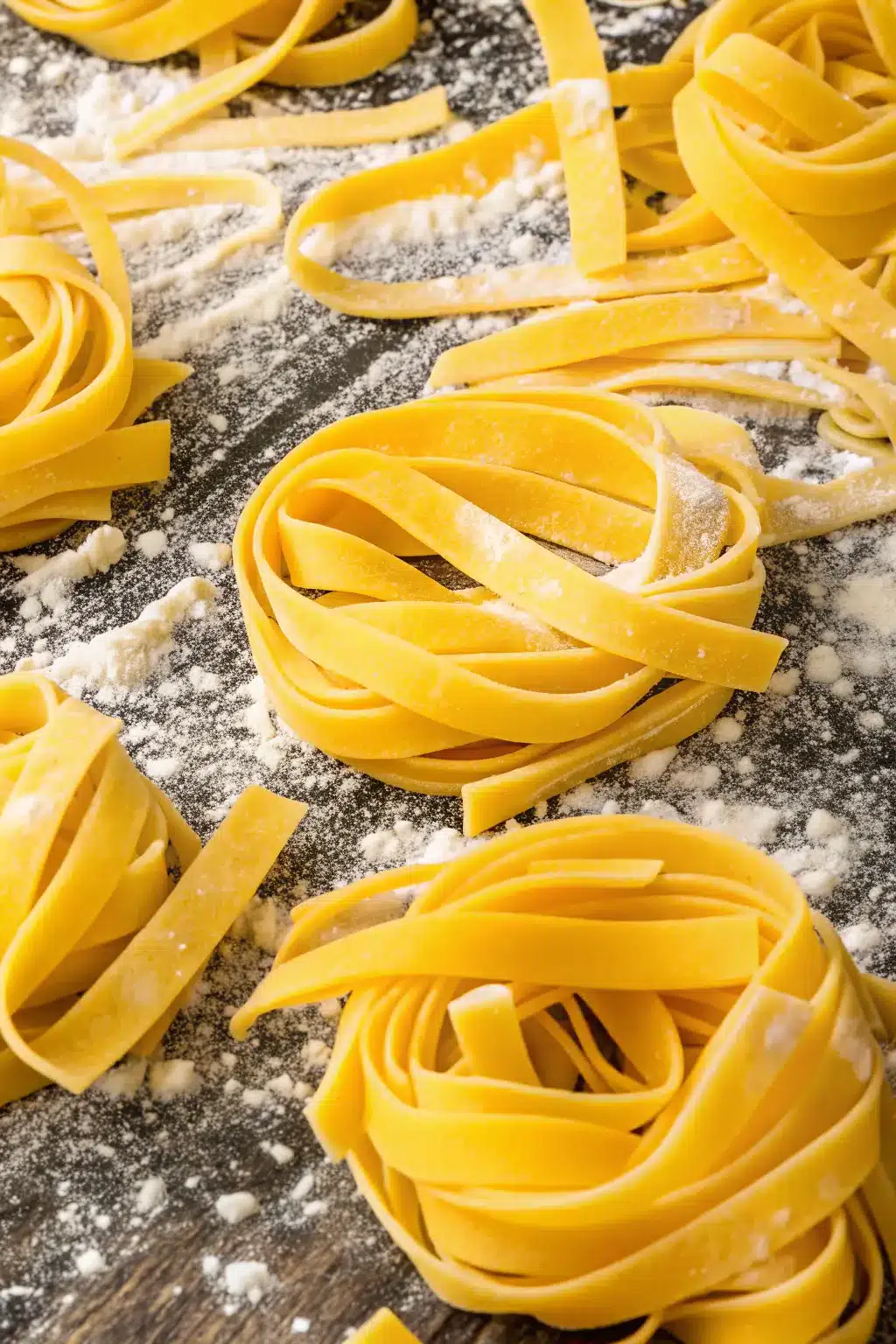
Look, I’m not saying making Gordon Ramsay Homemade Pasta from scratch will change your life, but I’m also not not saying that. There’s something weirdly therapeutic about kneading dough while pretending you’re on MasterChef and Gordon Ramsay isn’t yelling at you. Plus, homemade pasta tastes about 1000% better than that cardboard box situation you’ve been pretending is “authentic Italian.”
Table of Contents
Why This Gordon Ramsay Homemade Pasta is Awesome
First off, it’s shockingly simple. We’re talking four ingredients—that’s it. Flour, eggs, olive oil, and salt. If you can crack an egg without getting shell bits everywhere (no judgment if you can’t), you can make this pasta.
Second, it’s incredibly impressive. Invite someone over, casually mention you made the pasta by hand, and watch their face. You’ll look like a culinary genius even though you basically just mixed stuff and rolled it out. The effort-to-praise ratio here is chef’s kiss.
Third, Gordon Ramsay Homemade Pasta method is foolproof. The man has screamed at enough people to know how to break down a recipe so even your most kitchen-challenged friend could follow it. And honestly? Fresh pasta cooks in like 2 minutes, so you’re not standing over a boiling pot questioning your life choices.
Ingredients You’ll Need
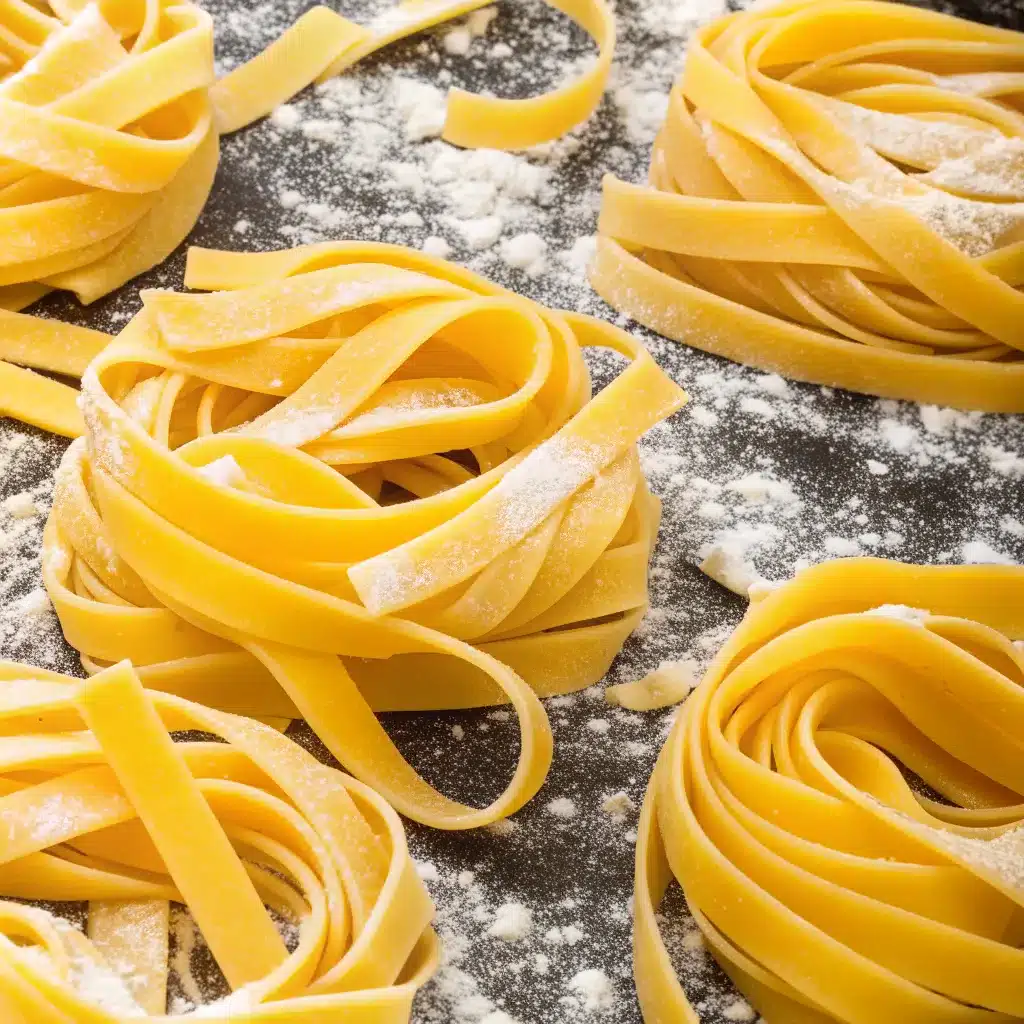
- 2 cups all-purpose flour (or tipo 00 if you’re feeling fancy)
- 3 large eggs (room temperature, because cold eggs are rebels)
- 1 tablespoon olive oil (the good stuff, not whatever’s been sitting in your cabinet since 2019)
- Pinch of salt (for flavor and dramatic effect)
- Extra flour for dusting (because things will get sticky, trust me)
That’s it. Seriously. No fancy equipment required, though a pasta machine makes life easier if you’ve got one collecting dust somewhere.
Step-by-Step Instructions
1. Make your flour volcano. Dump the flour on a clean counter and create a well in the center—think of it as a flour crater. This is where the magic happens, folks.
2. Crack the eggs into the well. Add your olive oil and salt. Now here’s where you channel your inner Italian nonna and start whisking the eggs with a fork, gradually incorporating the flour from the edges. It’ll look messy at first. That’s normal. Embrace the chaos.
3. Time to get your hands dirty. Once it’s too thick to whisk, start kneading with your hands. Knead for about 8-10 minutes until the dough is smooth and elastic. Yes, your arms will get tired. Yes, it’s worth it. Think of it as a free workout.
4. Let it rest (the dough, not you). Wrap your dough ball in plastic wrap and let it chill for at least 30 minutes. This lets the gluten relax, which means easier rolling. Science is cool, right?
5. Roll it out. Cut your rested dough into quarters. Work with one piece at a time and keep the rest covered. Roll it as thin as you can—about 1-2mm thick if possible. If you have a pasta machine, run it through progressively thinner settings. If not, channel your anger into that rolling pin.
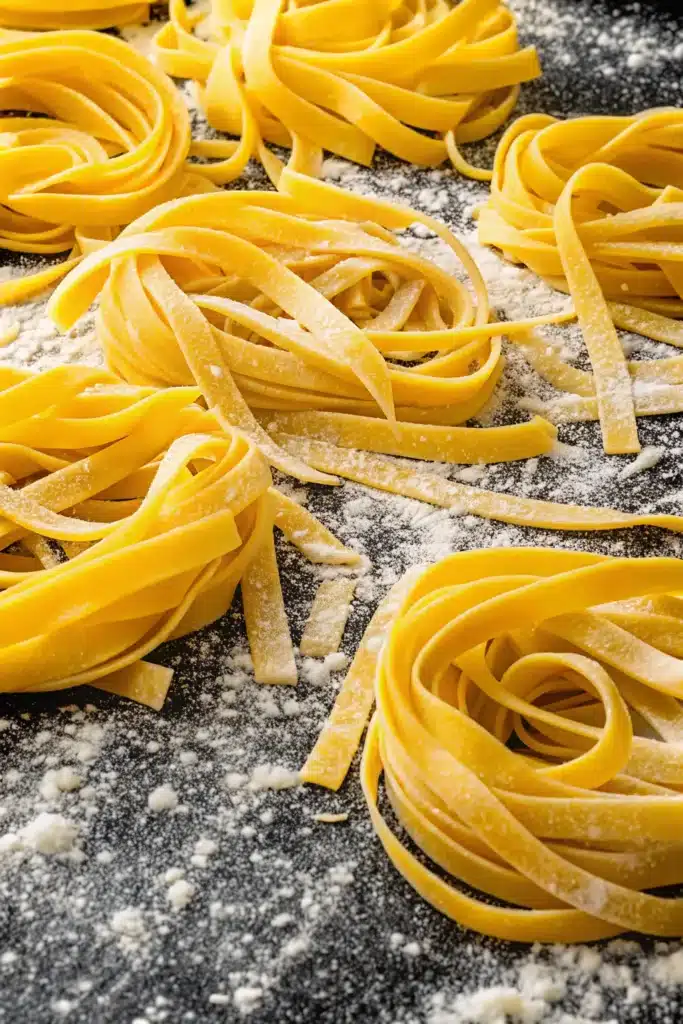
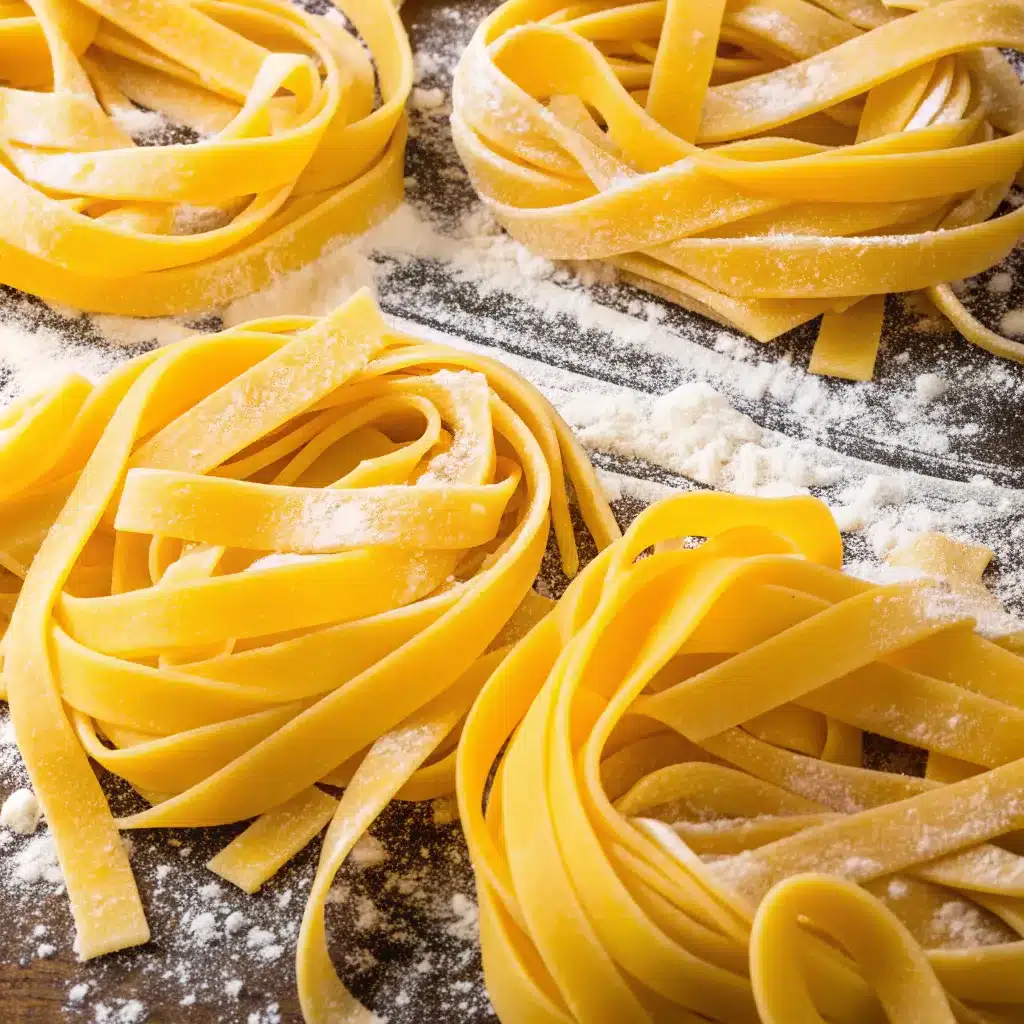
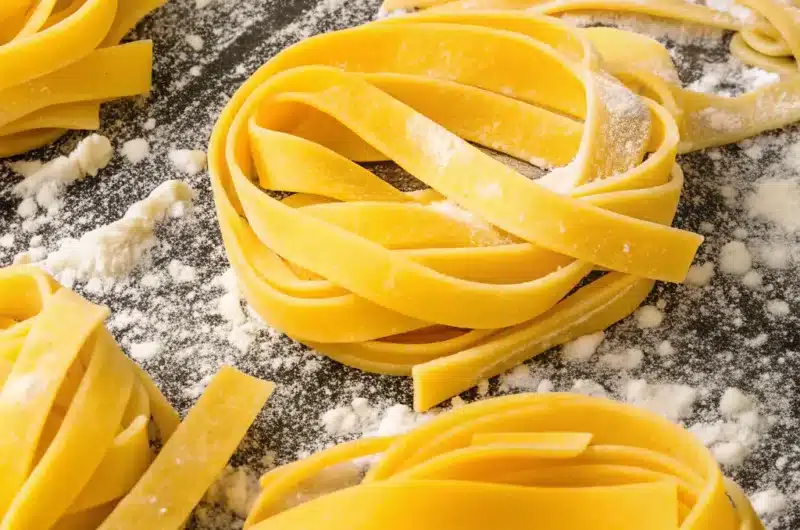
6. Cut your pasta. Dust your rolled-out dough with flour, fold it loosely, and cut into whatever shape you want. Fettuccine? Go for it. Pappardelle? Absolutely. Wonky irregular shapes? Hey, it’s “rustic.”
7. Cook immediately or dry it out. Fresh pasta cooks in 2-3 minutes in boiling salted water. You can also hang it to dry for about 30 minutes if you’re not eating right away.
Common Mistakes to Avoid
Don’t skip the resting time. I know you’re hungry, but patience, young Padawan. Trying to roll out pasta dough that hasn’t rested is like trying to reason with a toddler—exhausting and pointless.
Don’t add too much flour while kneading. The dough should be slightly tacky but not sticky. If you go overboard with flour, you’ll end up with tough, sad pasta. Nobody wants sad pasta.
Don’t roll it too thick. Thick pasta is gummy pasta. Aim for thin enough that you can almost see through it. Gordon would definitely yell at you about this one.
Don’t forget to salt your pasta water. It should taste like the ocean. A sad little pinch won’t cut it. Season aggressively.
Alternatives & Substitutions
If you can’t find tipo 00 flour (the traditional Italian pasta flour), regular all-purpose works perfectly fine. Honestly, unless you’re a pasta sommelier, you probably won’t notice a huge difference.
Gluten-free folks: You can substitute with a gluten-free flour blend, though the texture will be slightly different. Add a bit of xanthan gum if your blend doesn’t include it.
Vegan version? Swap the eggs for aquafaba (that weird chickpea liquid) or a mixture of water and olive oil. The ratio is about 3 tablespoons liquid per egg. FYI, it won’t be quite as rich, but it’ll still be better than boxed pasta.
Want to get fancy? Add herbs, spinach puree, or even squid ink to your dough for color and flavor. Just reduce the liquid slightly if adding wet ingredients.
Final Thoughts
Making Gordon Ramsay Homemade Pasta is one of those things that seems intimidating until you actually do it. Then you realize it’s just organized chaos with delicious results. Plus, there’s something deeply satisfying about eating something you made entirely from scratch—even if your kitchen looks like a flour bomb exploded.
So go ahead, channel your inner Gordon Ramsay (minus the yelling, unless that’s your thing), and make some damn good pasta. Your taste buds will thank you, and you’ll have major bragging rights at your next dinner party. Now get in the kitchen and stop overthinking it.
FAQ (Frequently Asked Questions)
Can I make this without a pasta machine? Absolutely! A rolling pin and some elbow grease will get the job done. Your pasta might not be quite as uniform, but it’ll taste exactly the same. IMO, hand-rolled pasta has more character anyway.
How long does homemade pasta keep? Fresh pasta will last 2-3 days in the fridge or up to 2 months in the freezer. Just dust it with flour before storing so it doesn’t stick together like a pasta blob monster.
Why is my dough too dry/too wet? Humidity, egg size, and flour type all affect consistency. Too dry? Add water one teaspoon at a time. Too wet? Add more flour gradually. It’s not an exact science—trust your instincts.
Do I really need to rest the dough? Yes, yes, a thousand times yes. Resting allows the flour to fully hydrate and the gluten to relax. Skip this step and you’ll be wrestling with dough that snaps back like a rubber band. Learn from my mistakes, people.
Gordon Ramsay Homemade Pasta
Course: Pasta, Main CourseCuisine: ItalianDifficulty: MediumServings
4
servingsPrep time
45
minutesCooking time
3
minutesCalories
320
kcalTotal time
48
minutesIngredients
2 cups all-purpose flour (or tipo 00 flour)
3 large eggs (room temperature)
1 tablespoon olive oil
1 pinch of salt
Extra flour for dusting
Directions
- Create a well in the center of the flour on a clean counter. Crack eggs into the well and add olive oil and salt.
- Whisk eggs with a fork, gradually incorporating flour from the edges until too thick to whisk.
- Knead the dough with your hands for 8-10 minutes until smooth and elastic.
- Wrap dough in plastic wrap and let rest for 30 minutes at room temperature.
- Cut dough into quarters. Roll each piece as thin as possible (1-2mm thick), keeping unused portions covered.
- Dust rolled dough with flour, fold loosely, and cut into desired pasta shape.
- Cook in boiling salted water for 2-3 minutes until al dente. Drain and serve immediately.
Notes
- Let the dough rest for the full 30 minutes – this makes rolling much easier and prevents the dough from snapping back.
- Salt your pasta water generously – it should taste like the ocean for properly seasoned pasta.
- Roll the dough thin enough to almost see through – thick pasta becomes gummy when cooked.