Follow Me On Social Media!
Vanilla French Beignets Recipe

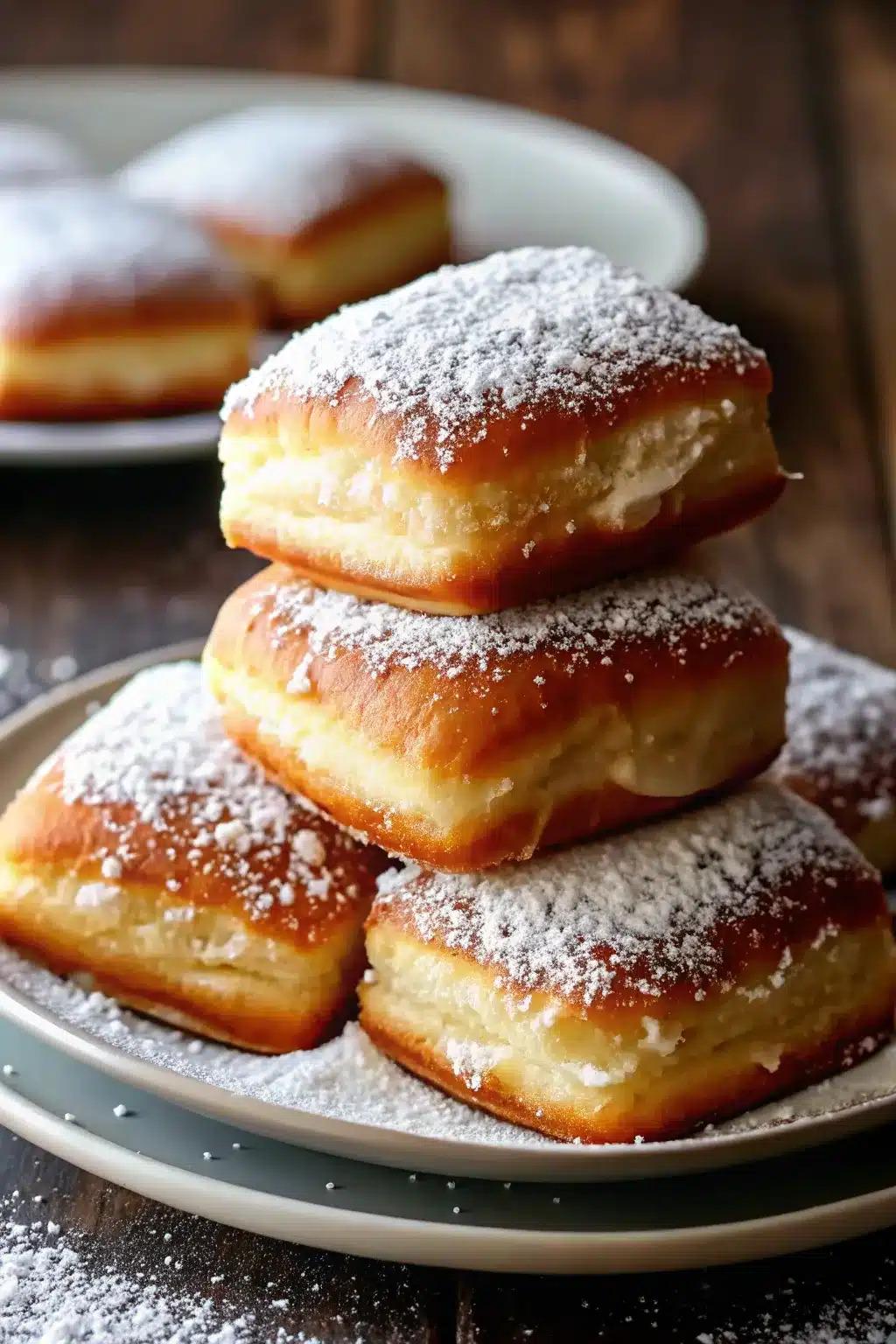
If you’ve never had a beignet, I’m about to change your life. And if you have had one, you probably already know why you’re here. These Vanilla French Beignets are basically what happiness tastes like. Sure, you could fly to New Orleans for the “authentic” experience, or you could just make them in your own kitchen while wearing pajamas. I know which option I’m choosing.
Table of Contents
Why This Vanilla French Beignets Recipe is Awesome
First things first: these Vanilla French Beignets are surprisingly easy to make. Yeah, there’s yeast involved, but don’t let that scare you. This isn’t some complicated pastry chef nonsense. The dough comes together in minutes, and if you can cut a square and drop it in hot oil, you’re basically a beignet master.
Vanilla French Beignets taste like you spent all morning in a French patisserie, but really you just mixed some flour and let it sit for an hour. That’s the kind of cooking deception I can get behind.
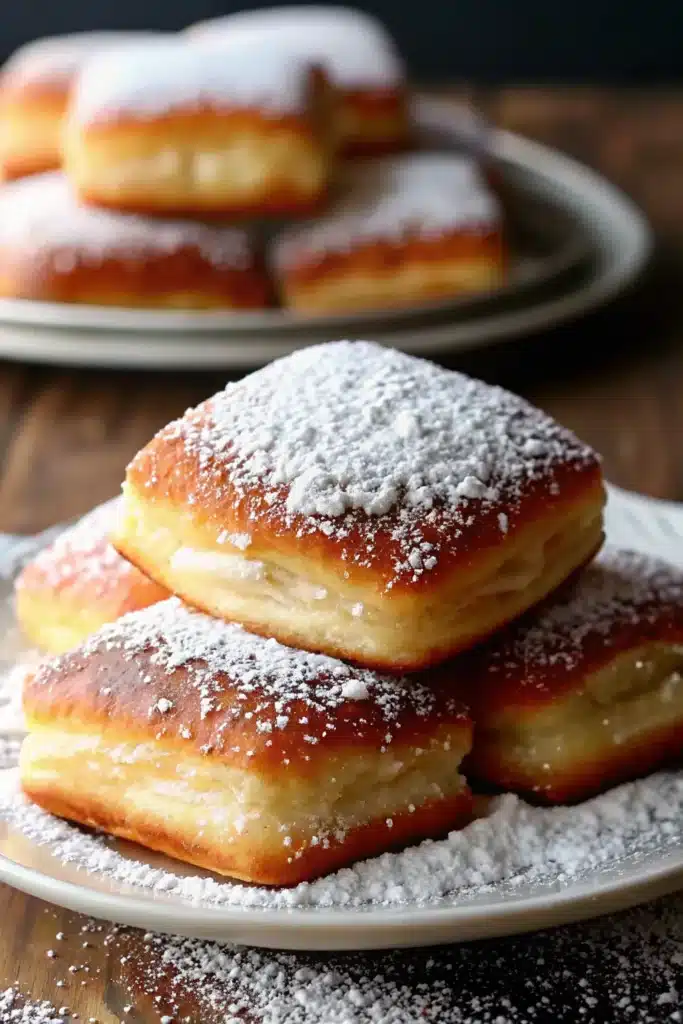
The texture is unreal. Crispy on the outside, soft and airy on the inside, with that distinctive yeasty flavor that makes them taste like fancy doughnuts. Except better than doughnuts, because they’re French and therefore automatically more sophisticated.
Plus, making these Vanilla French Beignets at home means you control the powdered sugar situation. At Café Du Monde, they dump so much sugar on these things that you’ll be coughing up sweet clouds for an hour. Make them yourself and you can decide your own sugar-to-lung-capacity ratio.

Ingredients You’ll Need
For the Beignets:
- 1 cup warm water (110°F, like a nice bath)
- ¼ cup granulated sugar
- 2¼ teaspoons active dry yeast (one packet)
- 2 large eggs
- 1¼ cups evaporated milk
- 1 teaspoon vanilla extract
- 7 cups all-purpose flour (plus extra for dusting)
- ¼ cup vegetable shortening
- 2 teaspoons salt
- Vegetable oil for frying (about 2 quarts)
For Topping:
- Powdered sugar (a ridiculous amount—like, a whole box)
Step-by-Step Instructions
1. Proof your yeast. Mix warm water, sugar, and yeast in a large bowl. Let it sit for about 5-10 minutes until it gets foamy on top. If nothing happens, your yeast is dead and you need to start over with fresh yeast.
2. Add the wet ingredients. Once your yeast is foamy and happy, whisk in the eggs, evaporated milk, and vanilla extract. Mix until everything’s combined and looking smooth.
3. Start adding flour. Add 4 cups of flour along with the shortening and salt. Mix with a wooden spoon or stand mixer with a dough hook until combined. This is going to look shaggy and weird at first—that’s normal.
4. Add remaining flour gradually. Keep adding flour, about a cup at a time, until you have a soft, slightly sticky dough. You might not need all 7 cups, or you might need a bit more. Dough is moody like that.
5. Knead the dough. On a floured surface, knead for about 5 minutes until smooth and elastic. Or use your stand mixer on low for 3-4 minutes if you’re lazy (no judgment, I usually am too).
6. Let it rise. Place dough in a greased bowl, cover with a damp towel or plastic wrap, and let it rise in a warm spot for about 1-2 hours until doubled in size. Go watch Netflix or something.
7. Roll out the dough. Once risen, punch it down (this is very satisfying) and roll it out on a floured surface to about ¼-inch thickness. Don’t go thinner or your beignets will be sad and flat.
8. Cut into squares. Use a pizza cutter or sharp knife to cut the dough into 2-3 inch squares. You should get about 40-50 beignets depending on how big you cut them.
9. Heat your oil. Pour about 3 inches of vegetable oil into a heavy pot or deep fryer. Heat to 370°F. Use a thermometer—this is important. Too hot and they’ll burn, too cool and they’ll be greasy sponges.
10. Fry in batches. Drop 3-4 squares at a time into the hot oil. Don’t overcrowd or the temperature will drop. Fry for about 2-3 minutes total, flipping once, until golden brown on both sides.
11. Drain and dust. Remove with a slotted spoon and drain on paper towels for about 30 seconds. Then immediately dump them in a large bowl or onto a plate and absolutely smother them in powdered sugar. We’re talking a snowstorm of sugar here.
12. Serve immediately while they’re still warm. Cold beignets are just sad fried dough. Hot beignets are transcendent.
Common Mistakes to Avoid
Using water that’s too hot or too cold for the yeast. Too hot (over 120°F) and you’ll kill the yeast. Too cold (under 100°F) and it won’t activate properly. Aim for 110°F—it should feel like warm bathwater on your wrist.
Not letting the dough rise enough. I know waiting is boring, but your dough needs to double in size. If you rush this, your beignets will be dense and heavy instead of light and fluffy. Patience, young grasshopper.
Rolling the dough too thin. Thicker is better here. You want about ¼-inch thickness. Any thinner and they’ll puff up weird or just turn into crispy chips instead of pillowy clouds.
Not maintaining oil temperature. This is crucial. If your oil cools down too much, the beignets will absorb oil and be greasy. If it’s too hot, they’ll burn outside while staying raw inside. Keep that thermometer handy and adjust heat as needed.
Waiting too long to dust with powdered sugar. Sugar sticks best to hot beignets. Let them cool too much and the sugar just slides right off like it’s on a slip-n-slide.
Alternatives & Substitutions
No evaporated milk? Use regular whole milk instead. The evaporated milk adds richness, but regular milk works fine in a pinch.
Want chocolate beignets? Add ¼ cup cocoa powder to the dough and reduce flour by ¼ cup. Dust with powdered sugar or make a chocolate ganache for dipping.
Citrus twist: Add the zest of one lemon or orange to the dough for a subtle citrusy flavor. It’s delicious and makes you seem fancy.
Filled beignets: Once fried and cooled slightly, use a piping bag to inject them with chocolate, custard, or fruit filling. Poke a hole in the side and fill ‘er up.
Air fryer version: Yeah, you can air fry these at 375°F for about 6-8 minutes, but honestly? They’re not quite the same. Frying is where the magic happens, but the air fryer version is decent if you’re really opposed to deep frying.
Final Thoughts
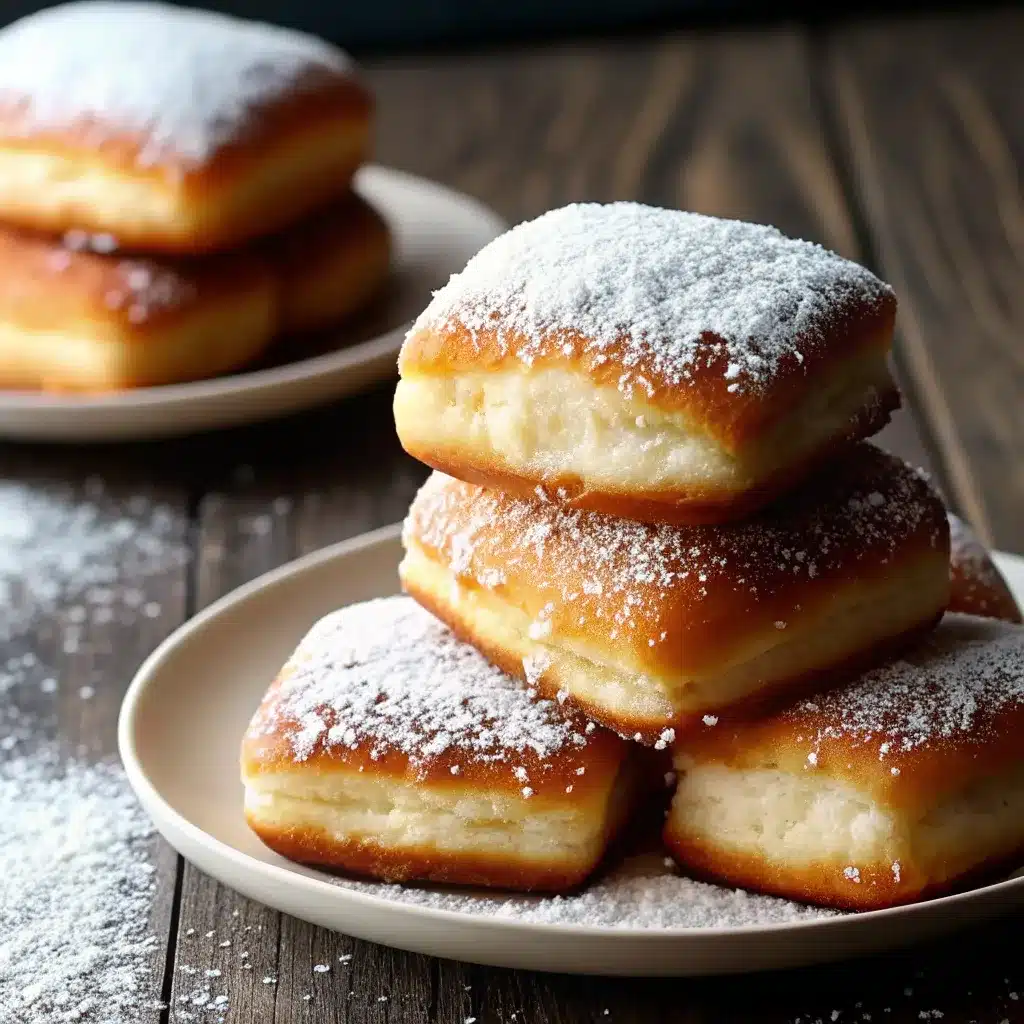
Making Vanilla French Beignets at home is one of those things that sounds intimidating but is actually totally doable. Sure, there’s some waiting around for the dough to rise, and yes, you’ll need to heat up some oil. But the payoff? Warm, fresh, powdered-sugar-covered clouds of deliciousness that’ll make you feel like you’re sitting in a café in the French Quarter.
Make these Vanilla French Beignets for weekend breakfast, for a special brunch, or just because it’s Tuesday and you deserve something nice. Your kitchen will smell amazing, you’ll be covered in powdered sugar, and life will be good.
So grab your flour and get mixing. Those Vanilla French Beignets aren’t going to fry themselves.
FAQ (Frequently Asked Questions)
Can I make the dough ahead of time? Absolutely! Make the dough, let it rise once, then punch it down and refrigerate it overnight (up to 24 hours). The next morning, let it come to room temperature for about 30 minutes, roll it out, cut, and fry. The cold fermentation actually makes the flavor even better.
Do I have to use a deep fryer? Nope! A heavy-bottomed pot or Dutch oven works perfectly. Just make sure you have at least 3 inches of oil and use a thermometer to monitor the temperature. I actually prefer using a pot because it’s less cleanup than dragging out the deep fryer.
Can I freeze beignets? You can freeze the fried beignets (without powdered sugar) for up to 2 months. Reheat them in a 350°F oven for about 5-7 minutes until warmed through, then dust with fresh powdered sugar. They won’t be quite as perfect as fresh, but they’re still pretty darn good.
Why are my beignets not puffing up? Usually this means either your yeast wasn’t active, your oil wasn’t hot enough, or you rolled the dough too thin. Make sure your yeast foams during proofing, keep that oil at 370°F, and roll to a full ¼-inch thickness. Also, make sure the dough had enough time to rise properly.
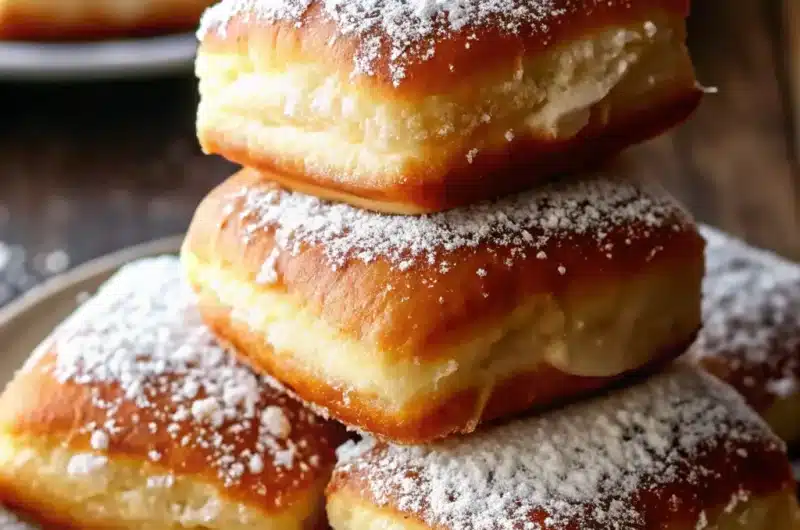
Vanilla French Beignets
Course: Breakfast, Dessert, BrunchCuisine: French, New OrleansDifficulty: MediumServings
40
beignetsPrep time
20
minutesCooking time
30
minutesCalories
95
kcalTotal time
50
minutesIngredients
- For the Beignets:
1 cup warm water (110°F)
¼ cup granulated sugar
2¼ teaspoons active dry yeast (1 packet)
2 large eggs
1¼ cups evaporated milk
1 teaspoon vanilla extract
7 cups all-purpose flour (plus extra for dusting)
¼ cup vegetable shortening
2 teaspoons salt
Vegetable oil for frying (about 2 quarts)
- For Topping:
Powdered sugar (generous amount)
Directions
- Proof the yeast: Mix warm water, sugar, and yeast in a large bowl. Let sit 5-10 minutes until foamy.
- Add wet ingredients: Whisk in eggs, evaporated milk, and vanilla extract until combined.
- Mix in flour: Add 4 cups flour, shortening, and salt. Mix with a wooden spoon or stand mixer until combined.
- Form the dough: Gradually add remaining flour, about 1 cup at a time, until you have a soft, slightly sticky dough.
- Knead: On a floured surface, knead for 5 minutes until smooth and elastic (or use stand mixer for 3-4 minutes).
- First rise: Place dough in a greased bowl, cover with a damp towel, and let rise in a warm spot for 1-2 hours until doubled in size.
- Roll out: Punch down dough and roll out on a floured surface to ¼-inch thickness.
- Cut squares: Use a pizza cutter or knife to cut dough into 2-3 inch squares.
- Heat oil: Heat 3 inches of vegetable oil in a heavy pot to 370°F. Use a thermometer to maintain temperature.
- Fry in batches: Fry 3-4 beignets at a time for 2-3 minutes total, flipping once, until golden brown on both sides.
- Drain: Remove with a slotted spoon and drain on paper towels for 30 seconds.
- Dust generously with powdered sugar while still hot. Serve immediately.
Notes
- Maintain oil temperature at 370°F throughout frying. Too hot and they burn, too cool and they absorb oil and become greasy. Keep your thermometer handy.
- Make ahead: Refrigerate dough after first rise for up to 24 hours. Let come to room temperature for 30 minutes before rolling out. Cold fermentation improves flavor.
- Don’t roll too thin: Keep dough at ¼-inch thickness for light, fluffy beignets. Thinner dough creates flat, crispy results instead of pillowy clouds.